Quietly Rose: The Handwritten Font for Elegant Branding
There’s a moment in every design project when the font choice either brings everything together or falls flat. You’ve got the perfect color palette, the layout feels balanced, and the imagery tells a story—but the typography? It needs to speak in the same tone as the rest of your work. That’s where a font like Quietly Rose enters the conversation. It’s not just another script typeface; it’s a carefully crafted handwritten font that carries a sense of quiet luxury and intentionality. If you’ve been searching for a typeface that feels personal yet polished, this might be the missing piece in your creative toolkit.
Understanding the Visual Personality of This Handwritten Font
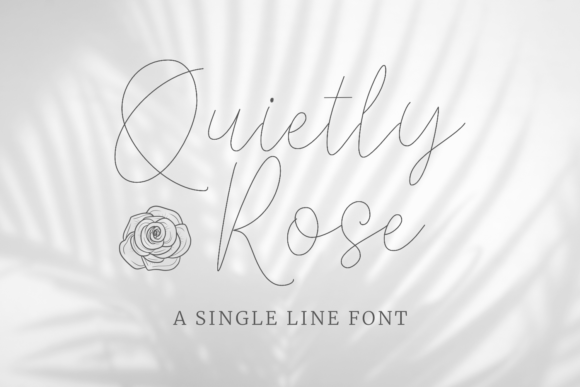
At first glance, Quietly Rose feels like a handwritten note from someone with impeccable taste. The letterforms flow with an organic rhythm, yet they maintain a clarity that prevents the design from looking messy or overly casual. Each character has subtle variations in stroke weight, mimicking the natural movement of a pen or brush. This gives the font a human touch that’s hard to replicate with rigid geometric typefaces. The elegant curves and refined details make it particularly suited for projects where sophistication is key—think high-end branding, luxury packaging, or boutique invitations.
What sets this font apart from many other script or handwritten fonts is its balance. Some decorative typefaces sacrifice readability for style, but Quietly Rose manages to be both expressive and functional. The spacing between letters is carefully considered, and the overall texture feels cohesive even at different sizes. Whether you’re using it for a large headline or a smaller subheading, the font maintains its character without becoming difficult to read. This makes it a versatile choice for designers who want to add a personal touch without compromising on professionalism.
Where This Font Truly Shines: Practical Applications
Imagine you’re designing a logo for a boutique skincare brand. The client wants something that feels luxurious, approachable, and handmade. Quietly Rose could be the perfect fit for the brand name, giving it that artisanal quality while still looking clean and upscale. Pair it with a simple sans-serif font for body text, and you’ve got a balanced typographic system that works across packaging, business cards, and social media graphics.
But the applications don’t stop at branding. This font works beautifully for:
- Invitations and stationery: Wedding invitations, event cards, and thank-you notes gain a touch of elegance and personality.
- Social media graphics: Quotes, announcements, and promotional posts stand out with a handwritten feel that feels authentic and engaging.
- Website headers and blogs: Use it for hero text or section titles to draw readers in and create visual interest.
- Packaging design: Product labels, boxes, and tags benefit from the font’s artisanal quality, especially for handmade or luxury goods.
- Editorial layouts: Magazine features, lookbooks, and digital publications can use it for pull quotes or display text to add a creative flair.
- Marketing assets: Flyers, posters, and email headers gain a distinctive voice that helps with brand recognition.
The key is to use Quietly Rose strategically. It’s a display font, meaning it’s designed to catch the eye rather than be used for long paragraphs of text. Think of it as the accent piece in your design—the element that draws attention and sets the mood. For body copy, pairing it with a clean serif or sans-serif font will ensure readability while maintaining visual harmony.
How Thoughtful Typography Elevates Your Brand Identity
Typography is one of the most powerful tools in visual communication, yet it’s often overlooked. The fonts you choose for your brand do more than just display words—they convey personality, values, and quality. A font like Quietly Rose communicates care, attention to detail, and a sense of refinement. For small business owners, entrepreneurs, and content creators, this can make a significant difference in how your audience perceives you.
Consistency is another crucial factor. When you use the same typeface across your website, social media, packaging, and print materials, you create a cohesive brand identity that’s instantly recognizable. Quietly Rose works well as part of a broader typographic system. You might use it for headlines and key phrases, while relying on a more neutral font for body text. This approach ensures your designs look polished and professional, whether you’re creating a business card or a social media campaign.
Readability should always be a priority, especially in digital spaces. While Quietly Rose is legible at various sizes, it’s worth testing it in context. Check how it looks on different devices, in different lighting conditions, and against various background colors. A font that looks stunning on your desktop might not translate as well to a mobile screen if the contrast is too low or the letterforms are too intricate. Always preview your designs in real-world scenarios before finalizing them.
Pairing and Practical Tips for Using This Creative Font
One of the joys of working with a font like Quietly Rose is experimenting with pairings. Because it has a strong personality, it pairs best with simpler, more neutral typefaces. A classic serif like Georgia or a modern sans-serif like Montserrat can provide a clean contrast that lets the handwritten font stand out without overwhelming the design. Try different combinations and see what resonates with your project’s goals.
When using this font, pay attention to spacing and alignment. Handwritten fonts often benefit from a little extra letter-spacing or line-height to improve readability, especially in longer phrases. Also, consider the context of your project. For a luxury brand, you might use Quietly Rose sparingly—just for the logo or key headings—to maintain an air of exclusivity. For a more playful brand, you could use it more liberally across social media graphics and promotional materials.
Before you start using any new font, take a moment to review what’s included in the package. Quietly Rose typically comes with multiple styles, such as regular, bold, or italic variations, as well as alternate characters and ligatures. These extras can add depth and variety to your designs, so it’s worth exploring them. Also, check the licensing terms to ensure the font is suitable for your intended use, whether it’s for personal projects, commercial work, or client-based designs.
Ultimately, choosing a font is about finding the right voice for your message. Quietly Rose offers a unique blend of elegance and approachability, making it a valuable asset for designers, marketers, and creatives alike. Whether you’re crafting a brand identity, designing a wedding invitation, or creating social media content, this font can help you communicate with style and intention. Take the time to experiment, test different applications, and see how it fits into your creative workflow. The right typography doesn’t just look good—it feels right.