Rose Cake: A Handwritten Font That Actually Works for Your Brand
There’s a particular kind of frustration that comes with scrolling through hundreds of script fonts, only to find they all look the same—either too formal and stiff, or so loose and casual they’re impossible to read. You need something that feels personal without sacrificing clarity, something modern without being trendy in a way that’ll look dated next year. Rose Cake sits in that sweet spot, and once you start using it, you’ll understand why so many designers keep coming back to it.
What Makes Rose Cake Different from Other Handwritten Fonts
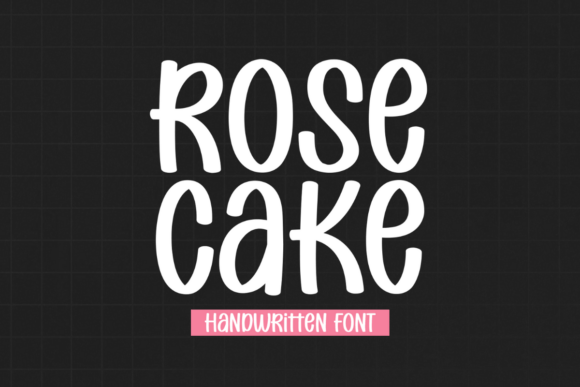
Most handwritten fonts fall into predictable categories. There are the brush scripts that mimic calligraphy, the rough marker-style typefaces that try too hard to look organic, and the overly polished scripts that feel more like wedding invitations than versatile design tools. Rose Cake takes a different approach. It’s a flowing, modern handwritten font with characters that feel genuinely balanced—not forced into symmetry, but naturally proportioned in a way that makes text easy to scan at a glance.
The letterforms have a subtle warmth to them. Each character connects smoothly to the next without the awkward joins that plague so many script fonts. You won’t find random ligatures that break the flow or inconsistent baseline shifts that make your text look wobbly. This kind of attention to detail matters more than most people realize. When a font has well-balanced characters, it creates a sense of trust and professionalism, even when the style itself is casual and approachable.
Rose Cake works as a display font precisely because it doesn’t try to be everything at once. It has a clear personality—stylish, flowing, and contemporary—but it doesn’t overwhelm the design it’s part of. That restraint is rare and valuable. Whether you’re pairing it with a clean sans serif font for body text or using it alongside a simple serif font for contrast, Rose Cake adapts without losing its identity.
Where This Font Actually Shines in Real Projects
Let’s talk about practical applications, because that’s what really matters when you’re investing in a premium font. You need to know whether it’ll hold up across the different contexts where your work lives.
Logo design and brand identity are where Rose Cake first catches your attention. A logo built with this typeface immediately communicates approachability and creativity. Think about a small bakery, a boutique skincare line, a freelance photographer, or a lifestyle blog. These are brands that want to feel personal and human, not corporate and distant. Rose Cake delivers that feeling without looking amateurish. The key is using it for the primary wordmark and pairing it with something structured—a geometric sans serif, perhaps—for supporting text like taglines or contact information.
Packaging design is another natural fit. When you’re designing labels, boxes, or product tags, the font needs to do two things: grab attention from a shelf or screen and communicate essential information clearly. Rose Cake handles the first job beautifully. It draws the eye without screaming, which is exactly the balance good packaging typography requires. Imagine it on a candle label, a coffee bag, or a handmade soap wrapper. It adds that artisan quality that consumers associate with small-batch, carefully crafted products.
Social media graphics demand fonts that read well at small sizes and still look distinctive when someone’s thumb-scrolling through a feed. This is where many script fonts fail—they become illegible blobs at 200 pixels wide. Rose Cake maintains its character even when scaled down, making it a strong choice for Instagram quotes, Pinterest pins, Facebook headers, and TikTok overlays. If you create content regularly, having a reliable handwritten font in your toolkit saves hours of second-guessing.
For websites and blogs, Rose Cake works best in targeted ways rather than as a body text replacement. Use it for hero section headlines, pull quotes, section dividers, or call-to-action buttons where you want personality to come through. Pair it with a highly readable sans serif font for paragraphs, and you’ll get a layout that feels dynamic without sacrificing the usability your readers need.
Print materials—business cards, brochures, flyers, postcards—benefit from fonts that leave a lasting impression. Rose Cake gives these pieces a handcrafted quality that standard corporate typefaces can’t replicate. It’s particularly effective for event invitations, menu designs, and thank-you cards where the tone should feel warm and genuine.
Merchandise and digital products round out the list. T-shirt designs, tote bags, mugs, planners, printable wall art, e-book covers—anywhere you need a font that carries emotional weight and visual interest, Rose Cake fits naturally. It’s the kind of typeface that makes people pause and actually look at what you’ve created.
Making It Work: Practical Typography Advice
Choosing a font is only half the equation. How you use it determines whether your design succeeds or falls flat.
Start by reviewing the font styles included with Rose Cake. Many premium fonts come with alternates, ligatures, or stylistic sets that give you more flexibility. Experiment with these options before settling on your final layout. Sometimes a single alternate letterform can transform the feel of an entire headline.
Font pairing deserves real attention. Rose Cake is a script font with a strong personality, so the typeface you pair it with should be quieter and more structured. A clean sans serif like Montserrat or a classic serif like Playfair Display creates a nice contrast without competing for attention. Avoid pairing it with other decorative or handwritten fonts—that combination almost always creates visual chaos rather than harmony.
Readability should guide every decision. Test your text at the actual size it’ll appear in the final product. What looks gorgeous at 72 points on your monitor might become unreadable at 14 points on a business card. For body text or any situation where readers need to absorb information quickly, switch to a more conventional typeface and save Rose Cake for headlines, accents, and display purposes.
Think about visual consistency across your brand. If you use Rose Cake in your logo, consider carrying it into your social media templates, email headers, and website hero images. This repetition builds recognition. When customers see that distinctive flowing script across multiple touchpoints, they start associating it with your brand before they even read the words.
Before committing to any creative font for a commercial project, check the licensing terms. Most premium fonts include commercial licenses, but the specifics vary. Some cover unlimited projects; others have restrictions based on project type, distribution volume, or number of users. Understanding these terms upfront prevents headaches later, especially if you’re designing for clients or selling products that feature the font.
Why the Right Typeface Changes Everything
Typography shapes perception in ways that are difficult to articulate but impossible to ignore. The fonts you choose signal taste, professionalism, and attention to detail. They tell your audience something about who you are before they process a single word of actual content.
Rose Cake works because it doesn’t demand center stage—it enhances whatever it touches. A simple quote becomes an art print. A basic logo becomes a brand story. A plain invitation becomes something worth keeping. That’s the power of finding a typeface that genuinely matches your creative vision rather than settling for something that merely fills space.
If you’ve been searching for a handwritten font that balances style with substance, that feels modern without being cold, and that works across the full range of projects designers and creators actually tackle day to day, Rose Cake deserves a place in your font library. Add it to your next project and see how it transforms the work you’re already proud of into something that feels even more intentional and alive.