Coconut Mocha: The Bouncy Script Font for Cozy Branding
There’s a certain warmth that comes with the aroma of a fresh brew, a feeling of comfort and casual sophistication. Translating that sensory experience into visual design is the challenge for many creators, especially those building brands around food, lifestyle, and hospitality. You need a typeface that doesn't just sit on the page but feels like it was written by a friendly hand. This is where the Coconut Mocha script font enters the conversation, offering a solution that bridges the gap between professional polish and genuine, approachable charm. It’s more than just a collection of letters; it’s a mood, a texture, and a direct line to that cozy, inviting aesthetic many businesses strive for.
Understanding the Visual Personality of a Bouncy Script
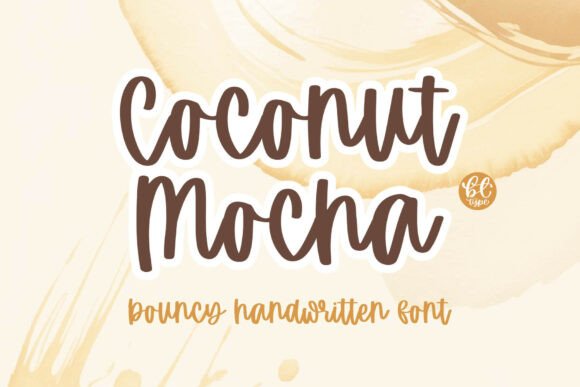
What makes a handwritten font feel friendly rather than sloppy, or whimsical rather than unprofessional? The answer lies in the specific design choices within its letterforms. The Coconut Mocha typeface is defined by its thick, rounded strokes, which give it a substantial, confident presence on any medium. This isn't a thin, spidery script that might get lost on a busy background; it has weight and impact. Its most distinctive feature, however, is its signature bouncy baseline. Unlike rigid, perfectly aligned type, the letters in this modern script have a gentle, organic rhythm. Some dip lower, others sit higher, mimicking the natural variation of handwriting done with a marker pen.
This deliberate irregularity is key to its appeal. The generous letter spacing and fluid connections between characters prevent the bouncy baseline from becoming chaotic. Instead, it creates a sense of movement and life. Think about the difference between a typed note and a handwritten thank-you card. The latter carries a personal touch that the former simply cannot replicate. For designers, this handwritten font provides that personal touch without sacrificing readability—a common pitfall with many script typefaces. The careful balance of thick strokes and open counters ensures that words remain legible even at smaller sizes, a critical factor for practical applications like packaging design and social media graphics.
From Coffee Shop Menus to Digital Storefronts: Practical Applications
The true test of any premium font is its versatility across different projects. A typeface that only works for a wedding invitation has limited value. The strength of the Coconut Mocha font lies in its adaptable personality, making it a powerful tool in a designer's toolkit for a wide range of creative and commercial endeavors.
For small business owners, particularly in the food and beverage industry, this font is a natural fit. Imagine it gracing the chalkboard-style menu of a local café, the logo for an artisanal bakery, or the label on a bag of specialty coffee beans. Its warmth communicates homemade quality and care. For brand identity work, using a font like this establishes an immediate emotional connection. It tells customers, “We are friendly, approachable, and passionate about what we create.”
Content creators and marketers will find it invaluable for social media graphics. In a feed crowded with sterile sans-serifs and overused scripts, the bouncy, marker-pen quality of this creative font stops the scroll. It’s perfect for crafting engaging quotes, promotional announcements for sales, or headers for Instagram Stories that feel personal and authentic. When used for blog post titles or featured images, it adds a layer of personality that can increase reader engagement.
The applications extend beautifully into physical products and print. Consider its use on:
- Merchandise and Packaging: T-shirts, mugs, tote bags, candles, and artisan food labels. The thick strokes hold up well to various printing methods, including screen printing and Cricut vinyl cuts.
- Invitations and Stationery: Wedding invitations, baby shower announcements, and personalized greeting cards where a soft, celebratory tone is desired.
- Editorial and Print Design: Magazine headlines, book titles (especially for children’s books or cozy mysteries), and poster designs that need a touch of whimsy and approachability.
- Digital Products: Workbook covers, printable planners, sticker sheets, and e-book titles where a friendly, instructional tone is key.
Strategic Typography: Pairing and Professional Presentation
Using a distinctive script font effectively requires more than just dropping it into a design. It demands a strategic approach to typography to ensure visual consistency and professional presentation. The goal is to let the font’s personality shine without overwhelming the viewer or compromising clarity.
A fundamental practice is font pairing. The energetic, detailed nature of a script font like Coconut Mocha means it should almost always be paired with a simpler, more neutral companion. A clean sans serif font for body text or supporting information provides a perfect visual rest, creating hierarchy and balance. For example, use Coconut Mocha for a headline or a product name, and pair it with a sans serif like Montserrat or Lato for the descriptive paragraph beneath. This contrast ensures the main message pops while the supporting text remains highly readable. Avoid pairing it with another ornate display font or a formal serif font, as this can create visual conflict and reduce overall legibility.
Readability considerations are paramount. While the font is designed for clarity, all-caps settings in a bouncy script can become difficult to read. The most effective use is typically in a mixed case, allowing the natural bounce and flow of the ascenders and descenders to create visual interest. Test your designs at the intended size. A headline that looks stunning on your 27-inch monitor may be illegible when printed on a small product label. Always conduct a final review in context—view a mockup of the coffee cup, the social media post on a phone screen, or the printed invitation.
Leveraging a Font for Brand Recognition and Engagement
Ultimately, typography is a silent ambassador for a brand. The fonts you choose become part of your visual language, contributing directly to brand recognition and audience perception. Consistently using a typeface with a strong, positive personality, like the Coconut Mocha script, can help cement a brand’s identity in the minds of consumers.
When a customer sees that distinctive, friendly bounce on a logo, then on a social media ad, and later on a product package, a pattern is established. It builds familiarity and trust. This typeface communicates specific values: warmth, creativity, approachability, and a touch of artisanal craft. For an entrepreneur launching a new product line, selecting such a font is a strategic decision that aligns the visual identity with the brand’s core message.
Before committing to any commercial font for a major project, a practical step is to review the full character set and included styles. Does it have the necessary punctuation, numerals, and multilingual support? Are there stylistic alternates or ligatures that can add extra flair? Understanding the full capabilities of your design assets ensures you can use them to their fullest potential. Furthermore, always verify the licensing. Ensure the font license covers your intended use, whether for a single client project, unlimited commercial merchandise, or digital products. This due diligence protects your work and your business.
In a digital landscape saturated with generic choices, a thoughtfully designed handwritten font offers a path to distinction. It provides the tools to create designs that feel human, connected, and rich with personality. For projects that aim to evoke comfort, sweetness, and a welcoming vibe, the bouncy, smooth lines of a script like Coconut Mocha might just be the perfect ingredient to tie your entire visual story together.