Autumn Leaves: The Sketchy Dingbats Font for Cozy Designs
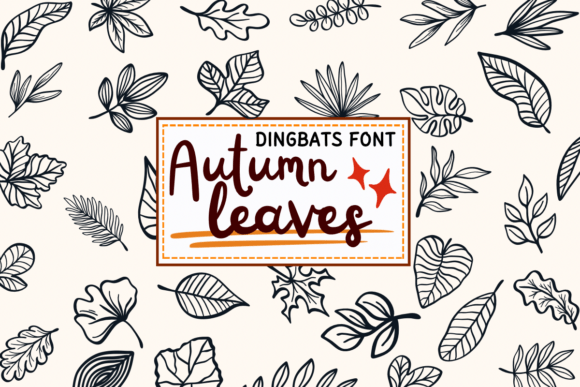
There’s something about the crisp air and golden light of autumn that sparks creativity. We find ourselves reaching for warm colors, textured materials, and designs that feel both nostalgic and organic. For designers and creators, capturing that specific seasonal mood—without relying on overused stock imagery—can be a challenge. This is where a thoughtfully crafted typeface becomes more than just letters on a page; it becomes a design asset. Enter Autumn Leaves, a distinctive dingbats font built around a sketch-style aesthetic. It doesn't spell out words; instead, it provides a library of illustrated leaf motifs, each with a hand-drawn, slightly imperfect charm that feels authentic and inviting.
More Than Just a Font: A Visual Language
At its core, Autumn Leaves is a dingbats font, a category of typefaces where each keystroke produces a symbol or illustration rather than a letter or number. What sets this particular premium font apart is its cohesive theme and artistic execution. The sketches are varied, featuring different leaf shapes, from delicate maples to sturdy oaks, all rendered with a consistent line weight and a slightly textured finish. This isn't a collection of generic clip art; it's a unified visual language. Using it in a project immediately injects a layer of handcrafted detail that feels personal and intentional. Think of it as a shortcut to adding bespoke illustration work to your designs.
The sketch style is key to its versatility. It avoids looking overly digital or sterile, making it perfect for projects that aim for a human touch. The lines have a natural wobble, and the fills aren't perfectly solid, mimicking the look of pen and ink on paper. This aesthetic aligns perfectly with modern trends in brand identity and editorial design that favor authenticity over polished perfection.
Practical Applications for Your Creative Projects
So, where can you actually use a font like Autumn Leaves? Its utility spans far beyond seasonal flyers. Here’s how different creators can integrate it into their workflow:
- Branding & Logo Design: For businesses in the eco-friendly, artisanal, or outdoor space, these leaf icons can become a core part of the visual identity. Use them as a standalone logo mark, a favicon, or a recurring pattern in your brand collateral. Paired with a clean sans serif font or a classic serif font, the sketchy leaves add a touch of nature without overwhelming the typography.
- Packaging & Product Design: Imagine a coffee bag, a candle label, or a skincare box. Using a single, elegant leaf glyph as a decorative seal or border element elevates the packaging design instantly. It communicates care, quality, and a connection to natural ingredients.
- Wedding Invitations & Stationery: This is a natural fit. The font is perfect for creating monograms, corner decorations, or dividers on invitations, RSVP cards, and menus. It brings a romantic, botanical feel that is timeless and sophisticated.
- Digital Presence: In web design and social media graphics, the icons can be used as bullet points, section dividers, or subtle background textures. For a blog focused on lifestyle, gardening, or wellness, these elements can create visual consistency across posts and Instagram stories, strengthening brand recognition.
- Editorial & Print Layouts: Magazine features, book covers, and report layouts can benefit from these decorative elements. Use them to break up large blocks of text, create thematic headers, or add visual interest to chapter pages, enhancing the overall professional presentation.
- Merchandise & Crafts: From T-shirt designs to tote bags and stickers, the leaf motifs can be scaled and combined to create unique patterns. For crafters selling on Etsy or at local markets, this font is a valuable design asset for creating original artwork.
Making It Work: Pairing and Readability
Integrating a dingbats font successfully requires a bit of strategy. The goal is to enhance, not distract. Here are some practical tips:
- Choose Your Partner Fonts Wisely: The sketchy, organic nature of Autumn Leaves pairs beautifully with fonts that have a bit of character. A handwritten font or a script font can create a fully cohesive, artisanal look. For better readability in body text, pair the dingbats with a neutral, highly legible sans serif font or a sturdy serif font. The contrast allows the leaf icons to serve as accents rather than competing for attention.
- Test for Context: Always view your font pairings in the context of your final layout. What looks good on a blank canvas might feel cluttered on a busy background. Reduce the size of the leaf icons when using them as subtle details, like bullet points, and increase their size when they are meant to be a focal point, like a logo mark.
- Consider the Licensing: Before using the font in commercial projects like client work or products for sale, always check the licensing agreement. A commercial font license typically covers these uses, but it's crucial to verify. This protects you and respects the work of the font creator.
- Explore the Full Glyph Set: Take time to explore all the available leaf shapes and styles within the font. You might find a perfect single icon or discover that combining two or three creates a unique emblem that perfectly suits your project's goals.
Final Thoughts on Seasonal Versatility
While the name suggests a specific season, the utility of a well-designed dingbats font like Autumn Leaves extends throughout the year. The motifs can represent growth, nature, change, and elegance, making them relevant for spring projects, summer branding, or even minimalist winter designs where a single, stark leaf makes a powerful statement. It’s a tool for adding a layer of visual storytelling to your work, helping to create an emotional connection with your audience. In a crowded digital landscape, these small, thoughtful details are what make designs memorable and help your brand or project stand out with a clear, authentic voice.