Vine Font: A Bold Statement for Modern Design
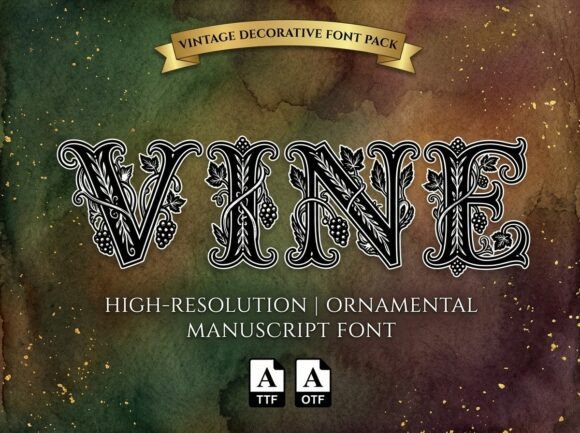
Sometimes, a project needs more than just words on a page—it needs a voice. That’s exactly where a typeface like Vine steps in. This isn’t your average, everyday font; it’s a decorative display typeface crafted to command attention and infuse personality into every letterform. For designers, entrepreneurs, and creators tired of blending in, Vine offers a way to break from the ordinary with a strong, artistic visual identity. Its all-caps design ensures that every character functions as a miniature work of art, making it ideal for high-impact headlines, logos, and branding elements where first impressions are everything.
Understanding Vine’s Visual Personality and Strengths
At its core, Vine is a premium font built for impact. Its unique artistic elements—think carefully considered curves, balanced weight, and distinctive character—give it a visual personality that feels both modern and timeless. Unlike more neutral sans serif or serif fonts, a display typeface like Vine is designed to be the centerpiece. It doesn’t just convey information; it conveys an emotion, a style, an attitude. This makes it a powerful tool for anyone building a brand identity that needs to stand out in a crowded market. The font’s polished finish ensures that while it’s bold, it never looks amateurish, striking a crucial balance between creativity and professionalism.
One of the most practical aspects of this creative font is the file package you receive. With both OTF and TTF files included, you have universal compatibility for nearly any design software, from advanced programs like Adobe Illustrator to more accessible tools like Canva. This versatility means you can seamlessly integrate Vine into your workflow, whether you’re designing a full marketing campaign or crafting a single social media graphic. It’s a commercial font ready for real-world application across digital and print.
Practical Applications: Where Vine Truly Shines
The true test of any design asset is how you can use it. Vine’s versatility across different mediums is where its value becomes clear. Think of it as your go-to font for any project that needs to make a bold statement without saying a word.
For branding and logo design, Vine can form the cornerstone of a visual identity. Imagine a boutique coffee shop, a creative agency, or a luxury skincare line using this typeface for its logo. The font’s inherent style helps communicate brand values—innovation, elegance, or boldness—right from the first glance. This is a key part of modern typography strategy: choosing a typeface that does some of the branding heavy lifting for you.
When it comes to packaging design, a font like Vine can transform a product on the shelf. It’s perfect for the product name on a gourmet food label, the title on a book cover, or the branding on artisanal goods. Its decorative nature catches the eye, while its professional quality assures customers of the product’s premium nature. Similarly, for editorial layouts and print materials, such as magazine headers, poster titles, or event invitations, Vine provides the necessary visual hierarchy and drama to draw readers in.
In the digital realm, its applications are just as powerful. Use it for social media graphics to create scroll-stopping Instagram posts, Pinterest pins, or Facebook ads. On websites and blogs, it can be used strategically for main headlines, section titles, or call-to-action buttons to guide visitor attention and reinforce brand consistency. It’s also an excellent choice for digital products like e-book covers, online course titles, or app interfaces where a distinctive, artistic touch is needed.
Strategic Font Pairing and Readability Considerations
Because Vine is an all-caps display font, using it effectively requires a bit of strategy. Its strength is in headlines and short, impactful phrases—not in setting long paragraphs of body text. This is where understanding font pairing becomes essential. The goal is to create contrast and complement.
A classic and effective approach is to pair a bold, decorative font like Vine with a clean, highly readable sans serif or serif font for body copy. For example, you might use Vine for your main headline, then set your subheading or paragraph text in a typeface like Lato, Open Sans, or a simple serif like Georgia. This pairing ensures your headline grabs attention while your supporting text remains easy to read. Always test your pairings in context—see how they look on a mockup of your website, in a sample social media post, or on a prototype of your packaging. Visual consistency across these elements is what builds strong brand recognition.
Another practical tip is to pay close attention to spacing. Decorative fonts often benefit from slightly increased letter-spacing (tracking) to improve readability, especially at smaller sizes. Play with the kerning in your design software to ensure the letters feel balanced and airy, not cramped. Remember, the goal is to showcase the font’s artistic details, not to have them blur together.
Making the Right Choice for Your Project
Before integrating any new font into your toolkit, it’s wise to review its specific characteristics and licensing. Vine is explicitly an uppercase-only typeface, which is a deliberate design choice. This makes it perfect for logos, monograms, and stylized headings where a consistent, all-caps look is desired. It’s not a limitation, but a feature that defines its use case. For projects requiring lowercase letters for readability in body text, you would simply pair it with another font, as discussed above.
From a commercial standpoint, the included OTF and TTF files provide the flexibility needed for both personal and professional projects. Whether you’re a freelance designer creating assets for clients, a small business owner developing your own marketing materials, or a crafter making merchandise to sell, having a font with clear commercial licensing is non-negotiable. It removes legal ambiguity and allows you to use your design assets confidently across all your ventures.
Ultimately, choosing a typeface like Vine is about more than just aesthetics; it’s about making a strategic decision for your visual communication. It’s for the moments when you need your message to be seen, remembered, and associated with a distinct creative vision. By understanding its strengths, pairing it wisely, and applying it to the right projects, you can leverage this artistic typeface to enhance your professional presentation, engage your audience more deeply, and solidify your brand’s visual identity in a meaningful way.