Texas Western: A Typeface with Authentic Frontier Spirit
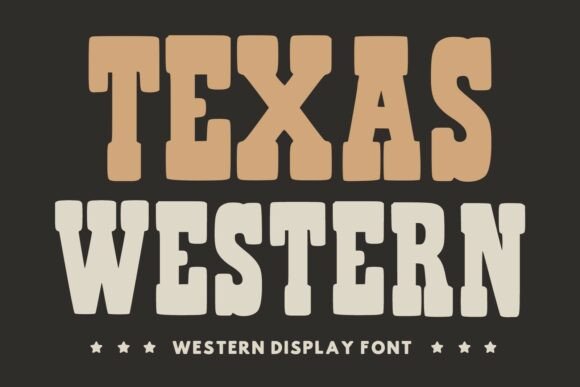
There’s a certain confidence that comes with bold, weathered lettering—the kind you’d see on a vintage wanted poster, a dusty saloon sign, or a classic rodeo banner. It’s a style that instantly communicates strength, heritage, and a touch of rugged authenticity. For designers and creators seeking to capture that powerful old-west atmosphere, a font like Texas Western Display Font offers a direct and compelling solution. Inspired by the strong slab shapes and vintage character of classic cowboy typography, this typeface is more than just a decorative choice; it’s a tool for building visual narratives with immediate impact.
More Than Just a Cowboy Font
At its core, Texas Western is a display typeface designed for headlines and impactful statements. Its visual appeal lies in its deliberate, sturdy construction. The letters feature heavy, block-like serifs and consistent stroke widths, giving them a monumental and grounded feel. Unlike some overly stylized western fonts that sacrifice clarity for flair, this one maintains a remarkable readability. The characters are well-spaced and balanced, ensuring that words form cohesive, legible units even at a glance. This makes it a versatile premium font that straddles the line between thematic decoration and functional design. It’s a serif font in spirit, but with a distinctly American frontier personality that sets it apart from traditional serifs or clean sans serif fonts.
Practical Applications Across Creative Projects
The true test of any creative font is how it performs in real-world scenarios. Texas Western shines in projects where a strong, memorable identity is the goal. For small business owners and entrepreneurs, particularly those in outdoor gear, artisanal crafts, barbecue, or heritage brands, this typeface can become a cornerstone of a brand identity. Imagine it on the logo for a local brewery, the signage for a ranch-to-table restaurant, or the packaging for a line of hot sauces. It immediately tells a story of craftsmanship and tradition.
Beyond logos and packaging, its applications are broad:
- Marketing & Social Media: Create scroll-stopping social media graphics for event promotions, sale announcements, or quote cards. Its boldness ensures your message cuts through the noise on busy feeds.
- Print & Merchandise: It’s ideal for posters, festival banners, t-shirt designs, and merchandise where the print needs to hold its own from a distance. Think concert posters for a country band or branding for a local rodeo.
- Digital & Editorial: Use it for chapter headings in an ebook about American history, as a masthead for a blog focused on adventure or DIY, or in website hero sections to make a powerful first impression.
- Invitations & Events: For themed parties, weddings with a rustic vibe, or corporate events with a western flair, the font sets the perfect tone from the first look at the invitation.
Strengthening Brand Recognition and Visual Consistency
One of the most significant advantages of adopting a distinctive typeface like Texas Western is the boost it gives to brand recognition. When a font has a strong personality, it becomes part of the brand’s visual language. Customers begin to associate that specific lettering with your business, creating a powerful mnemonic device. This consistency across all touchpoints—from your website header to your invoice template to your Instagram stories—builds a professional and cohesive presentation that fosters trust.
However, a key piece of practical advice is to consider its role carefully. A display font is typically used for headlines, logos, and short, impactful text. For body copy or longer paragraphs, pairing it with a highly legible sans serif or a simple serif font is crucial for readability. A common mistake is using a bold display font for everything, which can overwhelm the viewer. The magic happens in the pairing: let Texas Western deliver the powerful headline, and let a cleaner companion font handle the supporting text. Testing these font pairings in mockups before finalizing a design is always a worthwhile step.
Making an Informed Choice for Your Project
When selecting any font, especially for commercial use, a few considerations ensure a smooth process. First, review the included font styles. Texas Western Display Font typically comes in a single, powerful weight, which is common for display typefaces. This makes it straightforward but means you’ll rely on contrast with other fonts for hierarchy.
Second, always verify the licensing. For any project that will be used commercially—whether it’s a client’s logo, merchandise for sale, or a marketing campaign—you need a commercial license. Reputable font foundries and marketplaces provide clear licensing terms. This isn’t just a legal formality; it’s an ethical practice that supports the designers who create these valuable design assets.
Finally, think about your audience and project goals. Does the rugged, authoritative tone of a western typeface align with the message you want to send? For a children’s party planner, it might be a stretch. For a custom leather workshop, it’s a perfect fit. The font should be an extension of your brand’s voice, not just a decorative element. By matching the typography to your project’s core idea, you move beyond mere decoration and into the realm of effective visual communication. In the end, a well-chosen typeface like this one doesn’t just spell out words; it helps tell your story with clarity and conviction.