Runholdy: Merging Art Deco Glamour with Blackletter Edge
There is a specific visual language that speaks of authority and luxury without saying a single word. It is the sharp geometry of a skyscraper silhouette, the intricate filigree on a vintage gate, or the bold, confident strokes of a master craftsman. If you have been searching for a typeface that captures this feeling—something that balances historical weight with modern sophistication—you may have just found your solution in Runholdy. This font is not merely a collection of letters; it is a design statement that commands attention the moment it appears on a screen or printed page.
Understanding the Visual Character
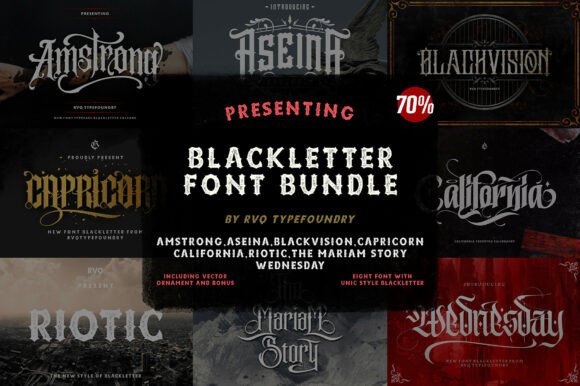
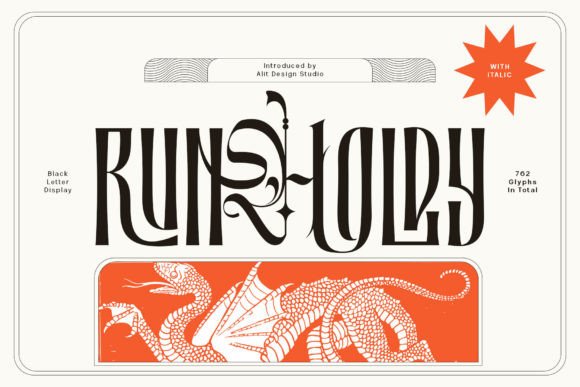
Runholdy is best described as a stunning Art-Deco-inspired blackletter font. To the uninitiated, blackletter might evoke images of ancient manuscripts, but this typeface takes a different approach. It retains the structural integrity and bold presence of traditional Gothic scripts but strips away the excessive ornamentation. Instead, it adopts the clean, sharp lines and geometric shapes characteristic of the Art Deco movement. The result is a unique hybrid: a font that feels both timeless and fiercely modern.
What makes this specific typeface so visually appealing is its ability to be ornate yet legible. Many blackletter fonts suffer from readability issues, particularly when used in digital formats. Runholdy, however, focuses on "clean, sharp lines." This ensures that while the aesthetic is complex and decorative, the individual characters are distinct. It is this balance that makes it a powerful tool for designers who want to add drama to their work without sacrificing clarity.
Strategic Applications for Modern Brands
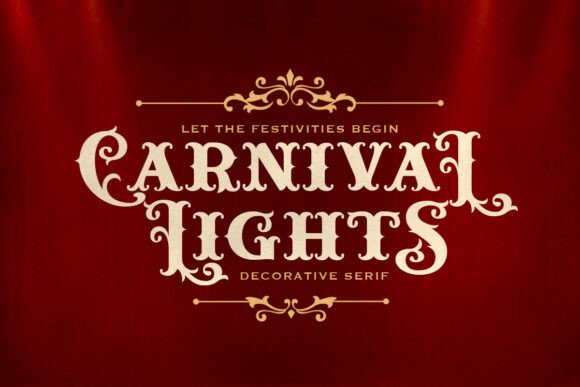
For the creative professional, a font like Runholdy is a versatile asset. Its distinct personality makes it a prime candidate for projects that require a strong visual hierarchy. Think about the industries where first impressions are currency: luxury goods, high-end hospitality, fashion, and boutique agencies. In these spaces, a standard sans-serif often feels too corporate, and a standard script can feel too casual. Runholdy occupies the sweet spot of high-end elegance.
Consider how this typeface translates across different mediums:
- Logo Design and Brand Identity: A logo sets the tone for an entire business. Using Runholdy for a wordmark instantly communicates tradition and quality. It works exceptionally well for brands that want to appear established and trustworthy, such as distilleries, law firms, or bespoke tailoring services.
- Packaging Design: On the shelf, packaging must do the heavy lifting. Runholdy’s bold geometric shapes ensure that product names pop. It is particularly effective on dark backgrounds with metallic foil accents, mimicking the opulence of the Art Deco era.
- Editorial Layouts and Magazines: In publishing, drop caps and pull quotes need to catch the eye. This font serves as a striking contrast to body text set in a clean serif or sans-serif, guiding the reader’s eye through the page.
- Posters and Event Invitations: Whether for a gala, a concert, or a product launch, the font’s inherent drama helps create hype. It suggests that the event is significant and worth attending.
Improving Visual Consistency and Engagement
One of the biggest challenges in design is maintaining visual consistency across a brand’s ecosystem. You want your Instagram graphics, your website headers, and your printed brochures to feel like they belong to the same family. By adopting Runholdy as your primary display font, you create a recognizable signature style.
Audience engagement often hinges on visual interest. In a crowded digital landscape, users scroll past generic text in milliseconds. A display font with personality—like this Art Deco blackletter—stops the scroll. It forces the viewer to take a second look. This increased "dwell time" is crucial for social media graphics and blog headers. When your typography looks professional, your audience subconsciously assumes your product or service is also professional.
However, using a font with such a strong personality requires a bit of strategy to ensure readability.
Practical Tips for Pairing and Usage
Because Runholdy is a premium font with high visual impact, it is generally best used as a display typeface—think headlines, titles, and short bursts of text. It is not designed for long paragraphs of body copy, where its intricate details might tire the reader's eye. To get the most out of this asset, you need to consider your font pairings.
A strong contrast is usually the best route. Because Runholdy has verticality and sharp angles, pairing it with a rounder, softer sans-serif font can create a pleasing balance. Alternatively, pairing it with a classic serif font can amplify the vintage, luxurious vibe.
Before finalizing your design, keep these practical considerations in mind:
- Test for Legibility at Scale: Always preview your headings at the size they will be viewed. A font that looks great at 100 pixels on a desktop might look muddy on a mobile screen. Runholdy’s sharp lines generally scale well, but checking is always best practice.
- Check the Font Styles: High-quality fonts often come with various styles or alternates. Review the character map to see if there are specific ligatures or stylistic sets that might enhance your specific headline.
- Licensing for Merchandise: If you plan to use the font on merchandise like t-shirts, mugs, or tote bags, ensure you have the correct commercial license. Most premium font licenses distinguish between digital use (websites) and physical goods (print-on-demand).
- Color and Background: Blackletter fonts often look best with high contrast. Use the font in solid black or white, or experiment with gold and silver textures to lean into the Art Deco aesthetic.
Ultimately, choosing a typeface is about finding a voice for your project. Runholdy offers a voice that is confident, sophisticated, and undeniably stylish. By integrating this font into your design assets, you are not just choosing a style; you are choosing to make a lasting impression. Whether you are building a brand identity from scratch or refreshing a current marketing campaign, this font provides the perfect blend of historical depth and modern edge.