Luna: A Celestial Typeface for Dreamy, Elegant Branding
There’s a certain magic to the night sky—the way the moon casts a soft glow, the way stars seem to whisper stories. Capturing that ethereal feeling in a design project can be challenging, but the right typeface can do the heavy lifting. Meet Luna, a decorative serif font that doesn’t just sit on a page; it evokes a mood. With its elegant curves, subtle star-like details, and moonlit grace, it’s a typeface designed for projects that want to feel both sophisticated and wonderfully mysterious.
More Than Just a Pretty Font: Understanding Luna’s Character
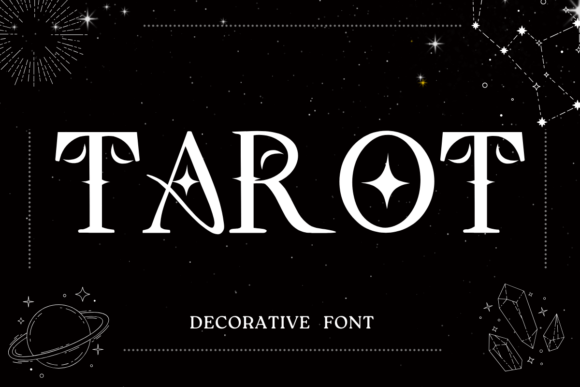
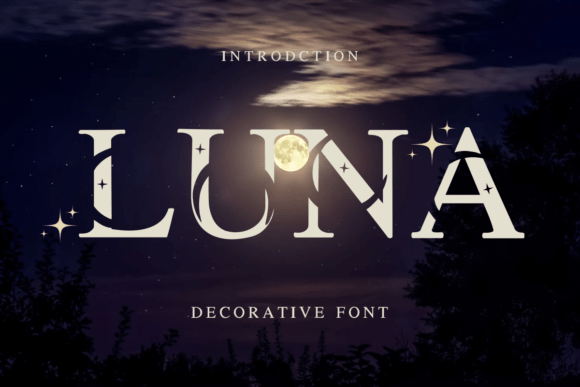
At first glance, Luna is a classic serif display typeface. It has the strong, structured bones you’d expect, giving it a sense of authority and high-end appeal. Look closer, though, and you’ll see the celestial magic woven in. Think of it as a serif that went to a masquerade ball under the stars. The letterforms feature delicate cutouts and subtle embellishments that mimic twinkling constellations and the soft, curved edges of a crescent moon. This isn’t a font for typing out your entire novel; it’s a headline maker, a logo star, and a branding hero. Its personality walks the line between powerful and poetic, making it incredibly versatile for creative professionals.
Where Does Luna Shine? Practical Applications for Creators and Businesses
The true test of a premium font is how it performs in the wild. Luna’s blend of elegance and mystique makes it a fantastic design asset for a wide range of projects. If you’re building a brand identity for anything with a celestial, spiritual, or luxurious vibe, this font should be on your shortlist.
- Branding and Logo Design: For a tarot reader, an astrology blog, a high-end skincare line with lunar cycles, or a boutique hotel, Luna can become the cornerstone of your visual identity. It instantly communicates sophistication and a touch of magic.
- Packaging Design: Imagine this font on a box of artisanal chocolates, a candle called “Midnight Bloom,” or a special edition tea blend. It elevates the unboxing experience, making the product feel special before it’s even opened.
- Invitations and Event Collateral: From wedding invitations for a celestial-themed ceremony to gala invites for a museum opening, Luna sets an immediate tone of elegance and intrigue.
- Digital Products and Social Media: Use it for the title graphics on a moon phase planner, the header of a wellness blog, or bold, eye-catching quotes on Instagram. It makes digital content feel polished and intentional.
- Editorial and Print Layouts: Think book covers for fantasy or romance novels, magazine feature titles, or poster designs for a theater production. Its display nature ensures it commands attention.
The key is to use Luna strategically. It’s perfect for headlines, titles, and short bursts of impactful text. For body copy or longer paragraphs, you’ll want to pair it with a highly readable sans serif font to ensure clarity and balance.
From Concept to Completion: Using Luna Effectively in Your Workflow
Choosing a font like Luna is just the first step. Using it well is what separates a good design from a great one. Here’s some practical advice for integrating it into your projects.
Font Pairing is Everything. Because Luna is a decorative serif with strong personality, it needs a quiet partner. A clean, geometric sans serif font works beautifully. The contrast lets Luna’s details pop without overwhelming the viewer. Test pairings for your specific project—what works for a logo might differ from what works for a website header.
Mind the Readability. While Luna is stunning, its intricate details mean it’s best used at larger sizes. Always test your designs at the intended viewing size, whether that’s on a mobile screen or a printed poster. Ensure the letterforms are clear and the text remains legible. Its strength is in display use, so don’t force it into small body text roles.
Explore the Included Styles. A well-designed font family often comes with more than just the standard weight. Check if Luna includes alternates, ligatures, or different stylistic sets. These extras can give you even more creative control, allowing you to customize the look for different applications within the same brand.
Understand the Licensing. For any commercial project—whether it’s a client logo, merchandise for sale, or a digital product you’re distributing—you need to ensure you have the correct commercial license. This is a non-negotiable part of professional practice. It protects you legally and ensures the font creator is supported.
Aligning Typography with Your Project’s Heart
Ultimately, typography is a silent ambassador for your message. A font like Luna isn’t just a set of characters; it’s a feeling. It’s the difference between a yoga studio that feels generic and one that feels serene and mystical. It’s the difference between a standard product label and one that tells a story of night-blooming flowers and quiet confidence.
When you’re selecting a typeface, ask yourself: What emotion should this project evoke? Who is the audience, and what will resonate with them? Does this font support the overall brand identity and the goals of the specific asset? A celestial-inspired serif like Luna might be perfect for a new moon ritual guide but less suitable for a children’s toy catalog. That alignment is crucial.
By choosing a typeface with a clear point of view, you’re not just decorating; you’re communicating. You’re building brand recognition, enhancing visual consistency, and creating a professional presentation that engages your audience on a deeper level. So, for your next project that calls for a touch of starlit drama and timeless elegance, consider letting Luna light the way.