American Vintage: The Typeface That Tells a Story
There's a particular feeling you get when you see a typeface that just clicks. It’s not about complexity or novelty; it’s about a sense of familiarity, a visual shorthand that instantly communicates a mood. American Vintage is a serif font that does exactly this. It doesn't just spell out words; it evokes an era of craftsmanship, roadside diners, and hand-painted signs. For anyone building a brand or crafting a visual project, this font offers a direct line to a timeless aesthetic, one that feels both nostalgic and remarkably current.
More Than Just Letters: The Visual Personality
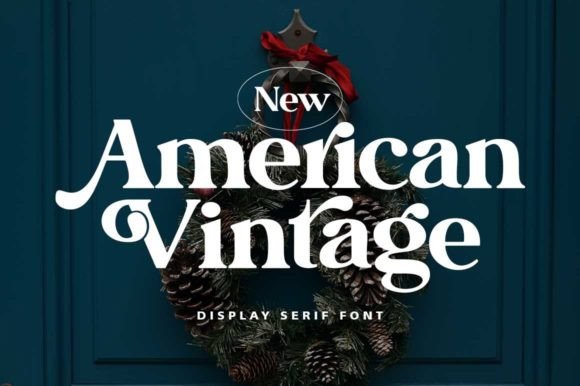
At its core, American Vintage is a premium font that blends the best of classic serif font structure with a distinct personality. The letterforms feature refined curves and a moderate contrast between thick and thin strokes, giving them a sturdy yet elegant presence. This isn't a fragile, ornate script; it's a display font built for impact, yet it maintains a surprising level of readability in shorter blocks of text. The overall impression is one of quality and intention—like something you’d find on the spine of a well-loved book or the masthead of a heritage newspaper.
What makes it particularly versatile is its ability to feel both formal and approachable. The subtle details in the serifs and terminals prevent it from looking generic, allowing it to stand out in a sea of more modern, minimalist typefaces. It’s a creative font that carries weight and history, making it an excellent tool for brand identity work where storytelling is key.
Practical Applications: Where This Font Truly Shines
Understanding a font's personality is one thing; knowing where to apply it is another. American Vintage excels in projects where you want to convey authenticity, tradition, or a handcrafted quality. Think about the logos for boutique coffee roasters, artisan bakeries, or independent bookshops. This typeface can anchor a visual identity, giving it a grounded, trustworthy feel that customers connect with on an emotional level.
Beyond logo design, its strengths extend into various design assets:
- Packaging & Labels: On a bottle of hot sauce, a bag of specialty coffee, or a craft beer label, American Vintage adds instant shelf appeal and communicates product heritage.
- Editorial & Print: Use it for magazine headlines, book covers, or poster titles. It commands attention in editorial design without sacrificing the sophistication needed for high-end publications.
- Digital Presence: For websites, especially in the hero section or for key headings, this web design asset can set a powerful tone. It pairs beautifully with clean sans serif font styles for body text, creating a dynamic and readable hierarchy.
- Social Media & Marketing: Create scroll-stopping graphics for Instagram, Pinterest, or Facebook. Its distinctive look helps your social media graphics feel cohesive and professional, boosting brand recognition across platforms.
- Merchandise & Invitations: From t-shirt designs to wedding invitations, it brings a level of care and style that generic fonts simply can't match.
Making It Work: Pairing and Readability
The real skill in using a strong typeface like American Vintage is knowing how to let it lead without overwhelming the design. A great starting point for font pairing is to combine it with a simple, geometric sans serif font for body copy. This contrast ensures that the headlines have personality while the longer text remains easy to read. For example, pairing it with a font like Montserrat or Lato creates a balanced and modern layout.
Always test your pairings in context. A combination that looks good in a design program might feel different on a mobile screen or a printed flyer. Pay close attention to readability—American Vintage is a display font, so it's best used for headlines, titles, and short phrases rather than lengthy paragraphs. Its strength lies in its visual impact at larger sizes.
When you download a commercial font like this, review the full character set and styles. Often, you'll find useful additions like ligatures, alternate characters, or multiple weights (e.g., Regular, Bold, Italic). These extras are invaluable for creating custom logotypes or adding subtle variation to your designs, helping you achieve true visual consistency across all your materials.
A Tool for Connection and Recognition
Ultimately, typography is a tool for communication. The right choice can make your message feel more credible, more engaging, and more memorable. American Vintage provides a direct pathway to a visual language that many people inherently understand and trust. It taps into a collective nostalgia without feeling dated, making it a powerful asset for brands and creators who want to build a lasting connection with their audience.
Whether you're a small business owner designing your first logo, a content creator developing a cohesive aesthetic for your blog, or a designer working on a client project, having a font like this in your toolkit expands your creative possibilities. It reminds us that good design often involves looking back to move forward, using timeless principles to create something that feels both fresh and familiar. By choosing typography with intention, you're not just decorating words; you're building a world for your audience to step into.